
The History of Whitman Hanson Community Access
For more than two decades, Whitman Hanson Community Access (WHCA) has provided the residents, organizations, schools and local governments of Whitman and Hanson with access to community media, technology, training and local information. WHCA’s history, however, begins before the organization itself.
Today’s WHCA grew from local cable-access services established in Whitman and Hanson during the 1980s. Over time, those services evolved from cable-company-operated local television into an independent nonprofit organization serving two communities through a shared regional model.
What follows is an overview of that history and some of the milestones that have shaped WHCA into the community-media organization it is today.
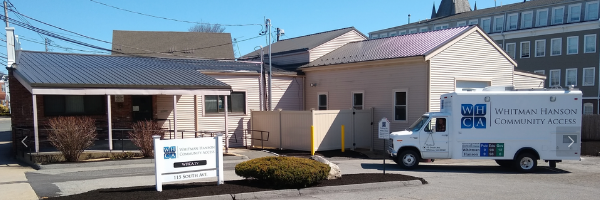
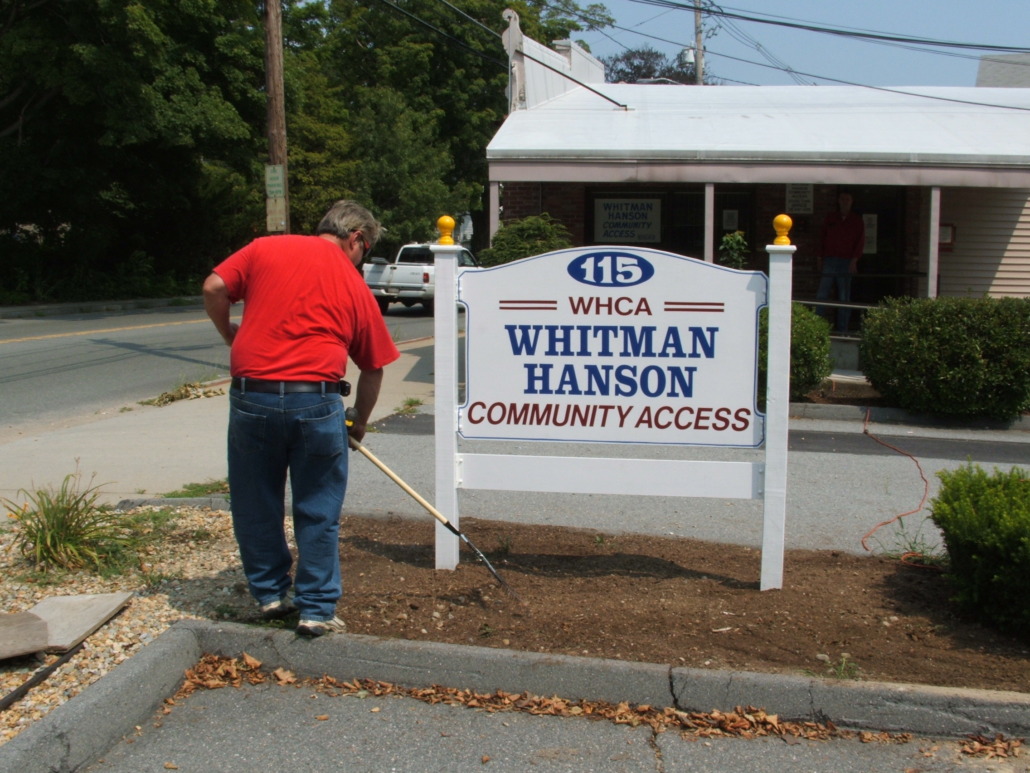
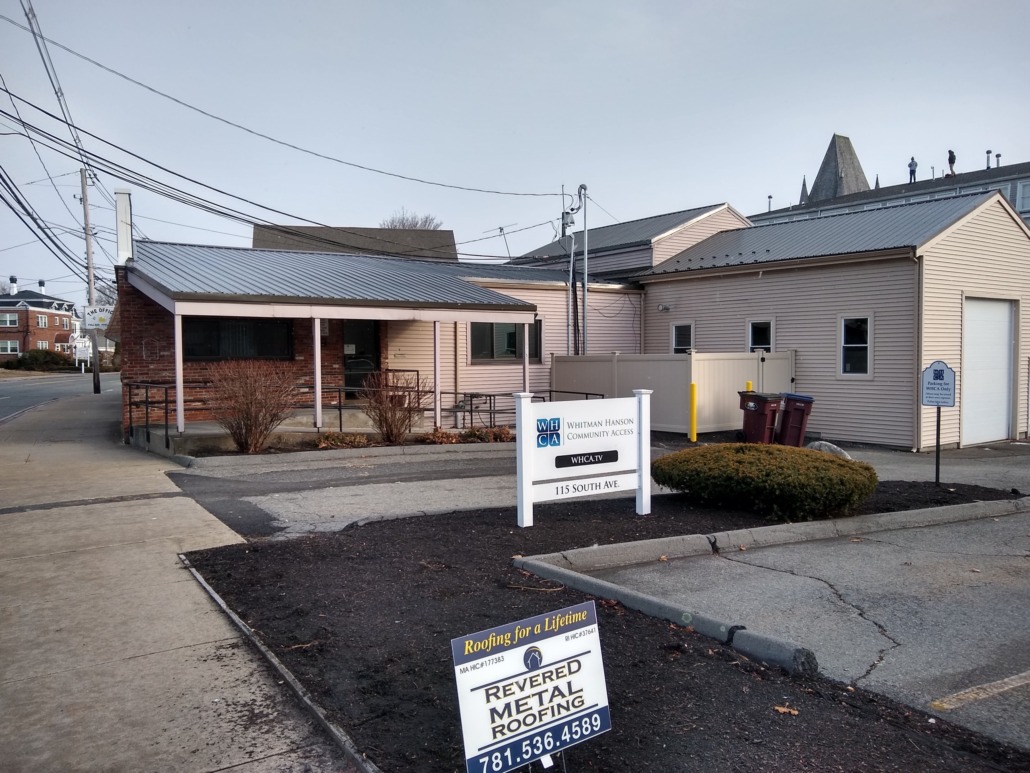
← WHCA’s home since its formation in 2005.
Before WHCA: The Beginnings of Local Access
1984–1985 | Local cable programming begins. Local origination channels began serving Whitman in 1984 and Hanson in 1985. For nearly two decades, local programming was operated by Continental Cablevision and its successors, including MediaOne in 1998, AT&T Broadband in 2000, and eventually Comcast in 2002. The Comcast name on bills and equipment was eventually replaced by Xfinity starting in 2010, though Comcast Corporation remains the parent company. During this time a production facility at 115 South Avenue in Whitman served as an important base for local cable access operations.
2003–2004 | A different future for local media takes shape. As the communities entered cable-license negotiations with Comcast, the cable company proposed closing the 115 South Avenue facility and moving local programming to a regional Comcast operation. Instead, negotiations created an opportunity for local access television to become independently operated and locally governed.
Whitman pursued the preservation of the South Avenue facility and the creation of an independent access corporation. At approximately the same time, Hanson explored its own options for locally managed access services. Representatives of the two communities ultimately pursued a partnership through which one regional organization could serve both Whitman and Hanson.
That decision established an important characteristic of WHCA that continues today: two communities sharing the resources, infrastructure and capabilities of one community-media organization.
WHCA Is Established
2005 | Whitman Hanson Community Access is formed. An organizational meeting was held at 115 South Avenue on February 17, 2005, bringing together representatives from Whitman and Hanson to establish Whitman Hanson Community Access. Officers were elected, bylaws were adopted and Articles of Incorporation were approved. WHCA formally came into existence on February 28, 2005.
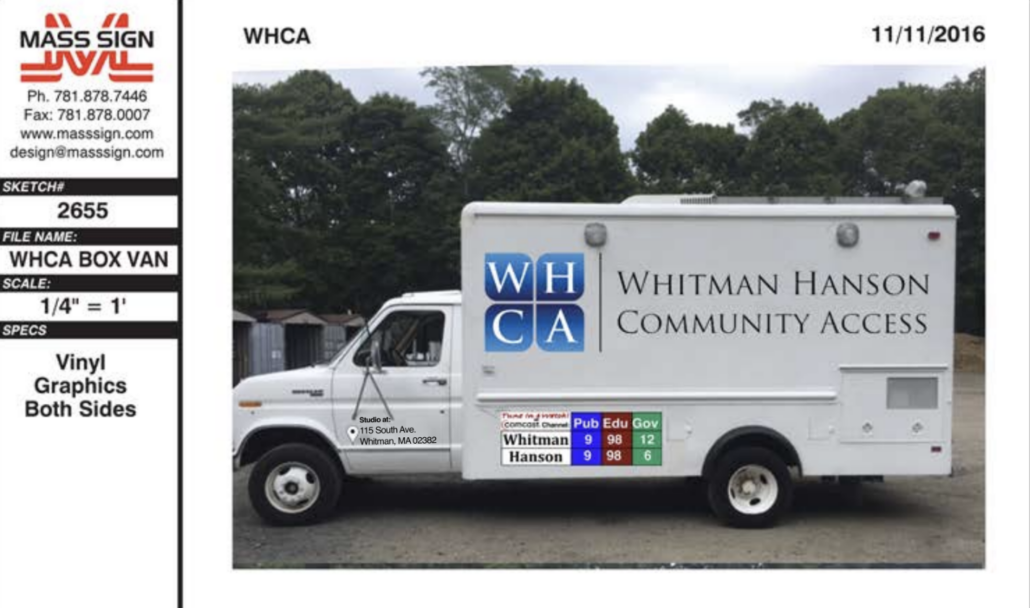
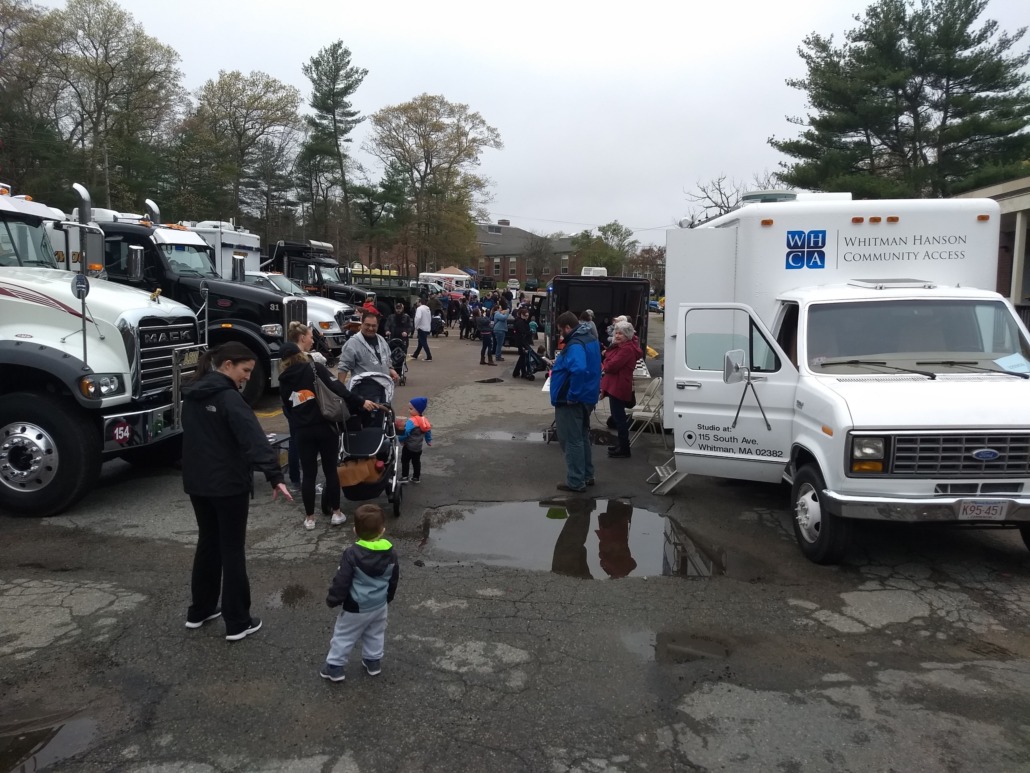
Operating agreements with Whitman and Hanson followed in March. Whitman made the 115 South Avenue facility and certain production equipment available to WHCA, while Hanson made a remote production vehicle and other production equipment available to the organization. The Town of Whitman formally took possession of the South Avenue property later that year.
From the beginning, WHCA therefore represented more than the creation of a television station. It brought together facilities, equipment, municipal partnerships and community resources from both towns under a single regional organization.
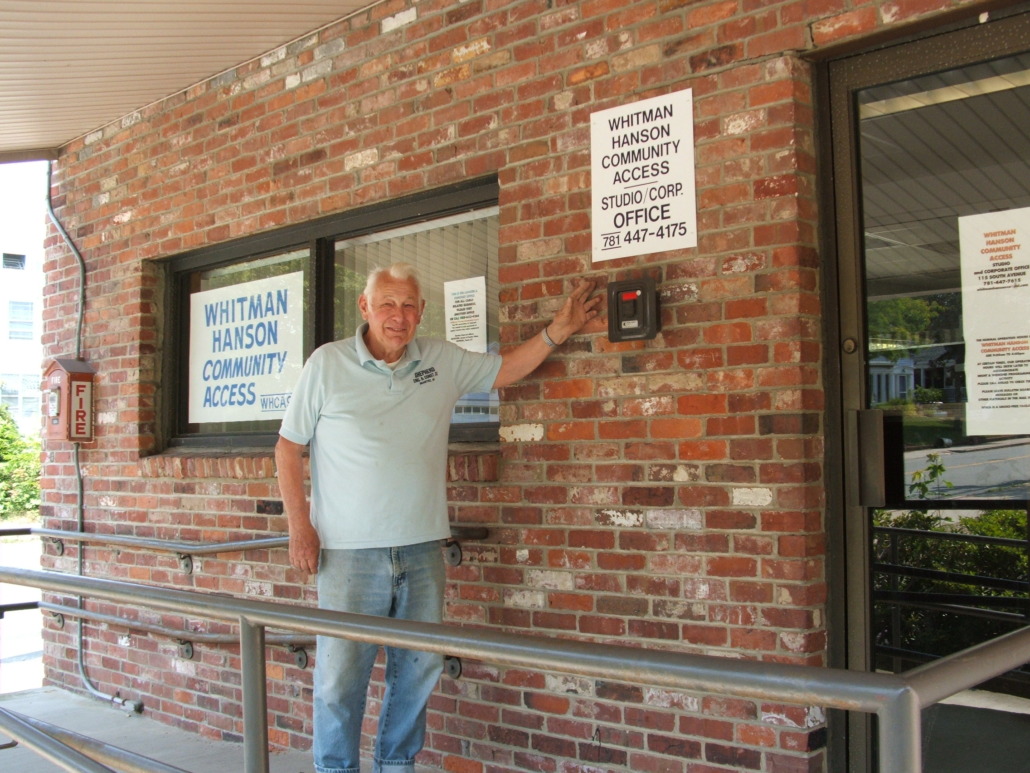
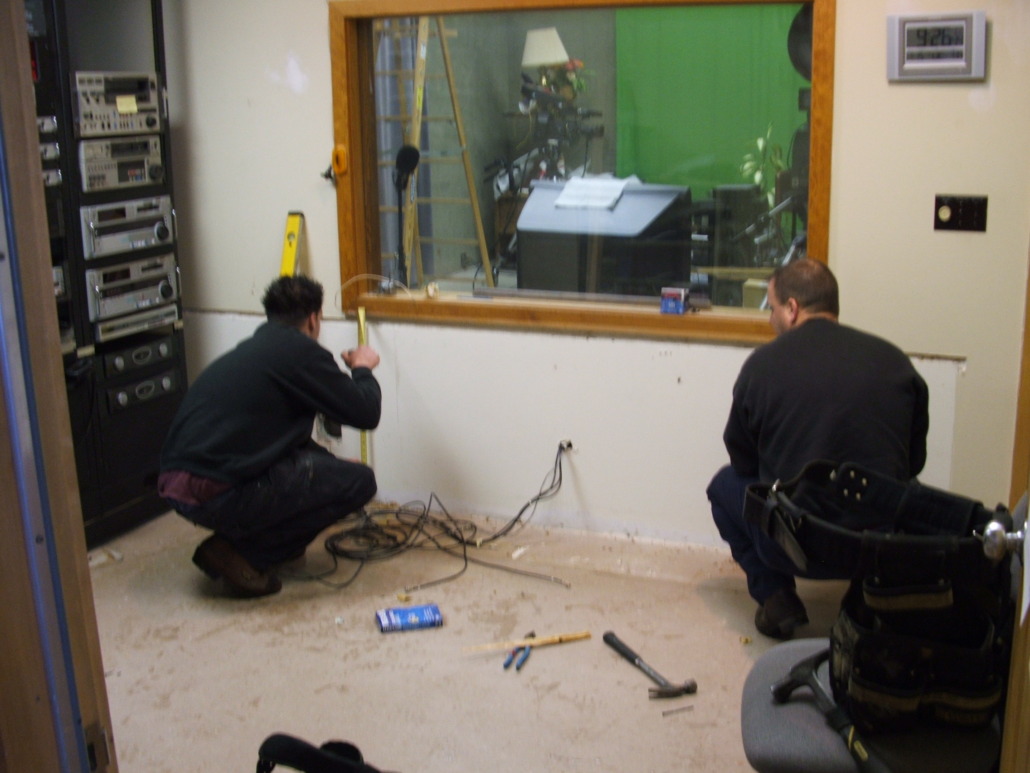
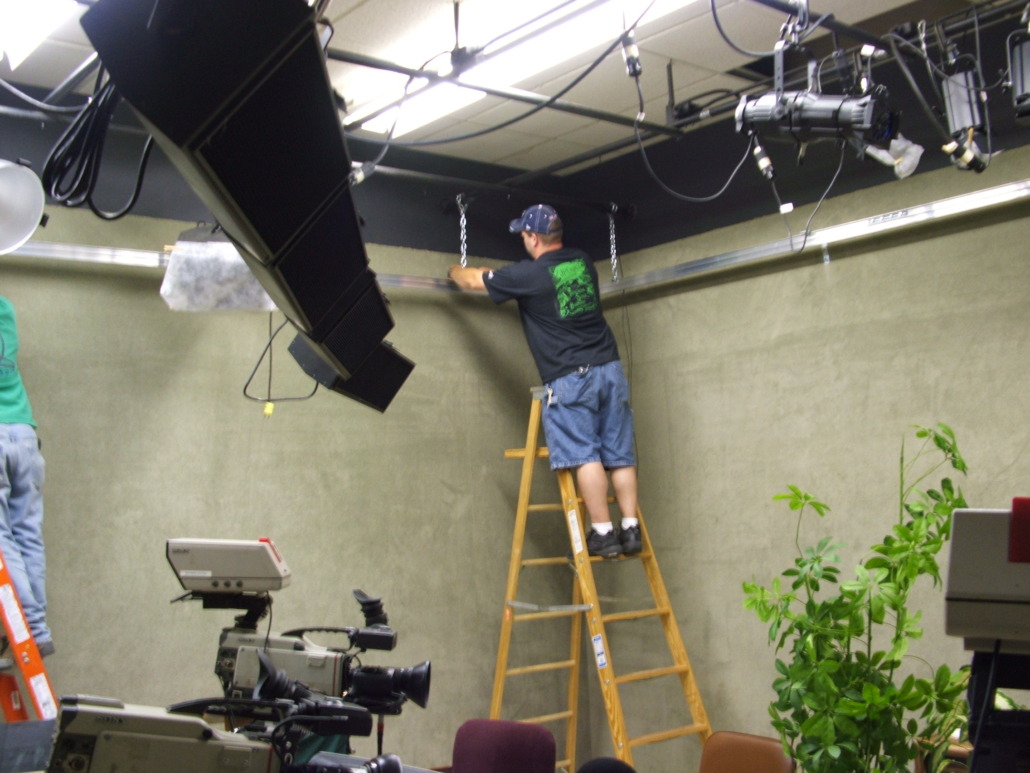
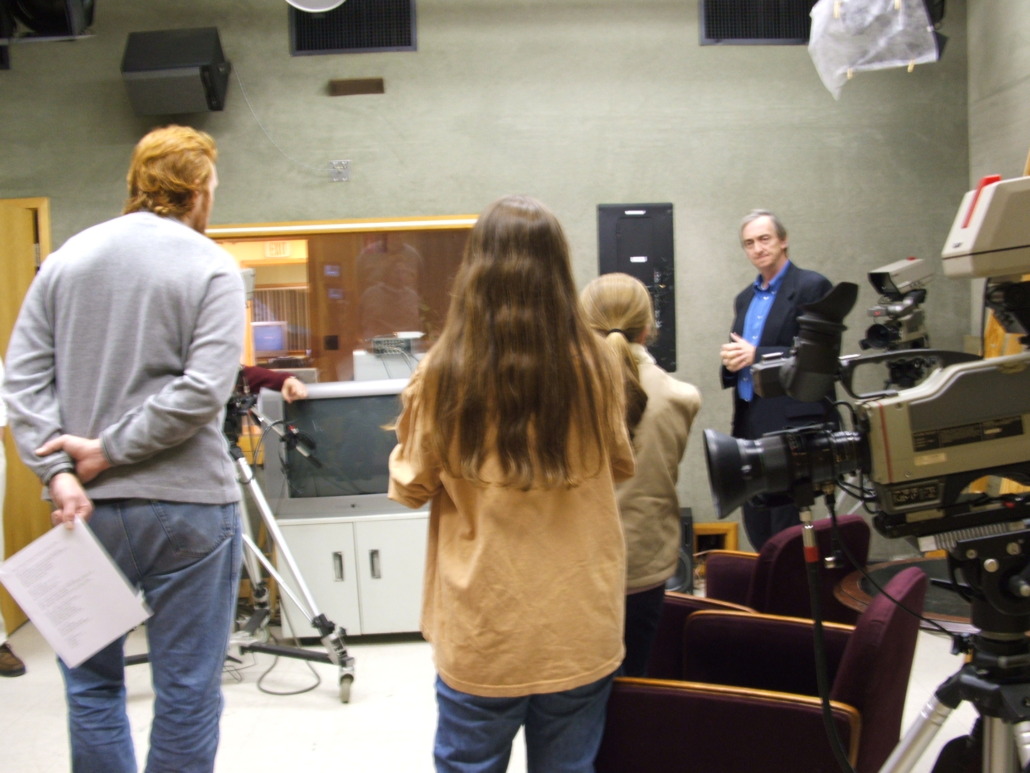
2005–2006 | Building the organization and rebuilding the facility. WHCA’s earliest years involved substantial work simply to turn inherited resources into a functioning community-media center. Early records describe cleaning and reclaiming portions of the South Avenue building, repairs to heating and ventilation systems, electrical work, accessibility improvements, building repairs and renovations.
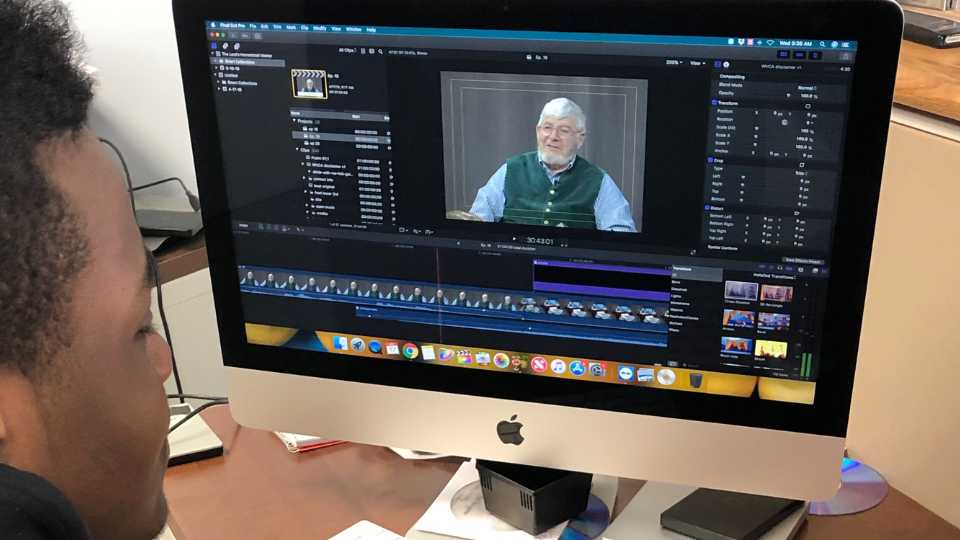
Technical systems were also modernized. Aging production and playback equipment began to give way to digital systems, new editing capabilities and improved studio and control-room technology. WHCA received federal recognition as a 501(c)(3) nonprofit organization in 2006, retroactive to its formation in 2005.
At the same time, WHCA expanded community coverage, training and locally produced programming while maintaining public access services for both Whitman and Hanson.
Expanding Beyond the Studio
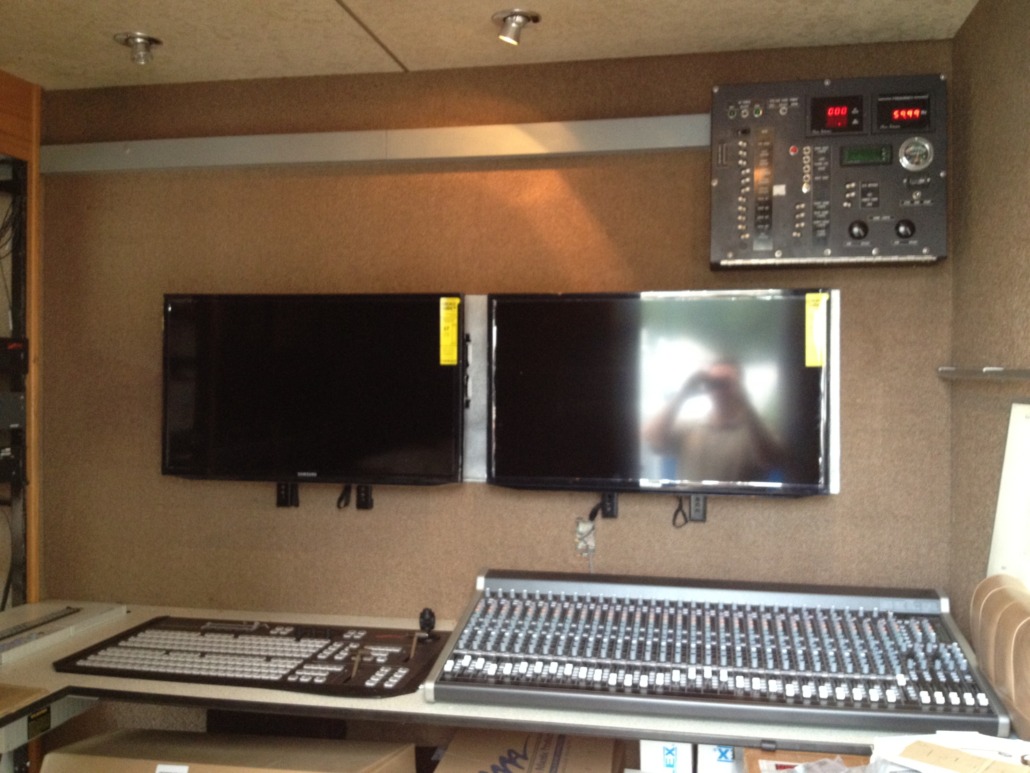
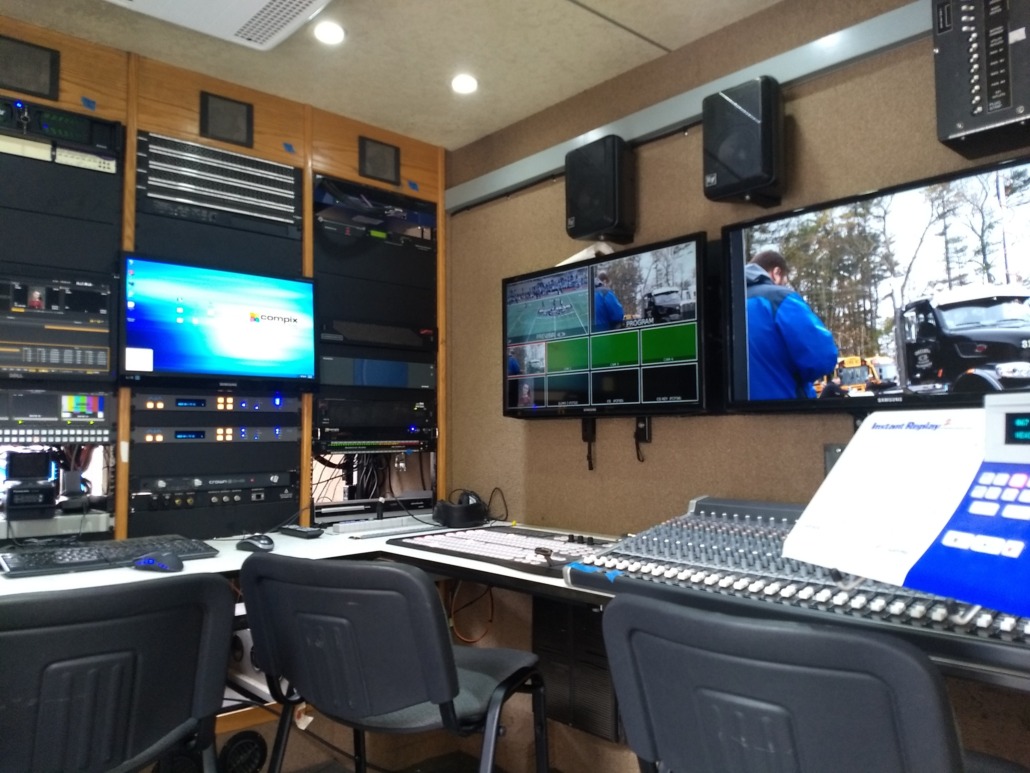
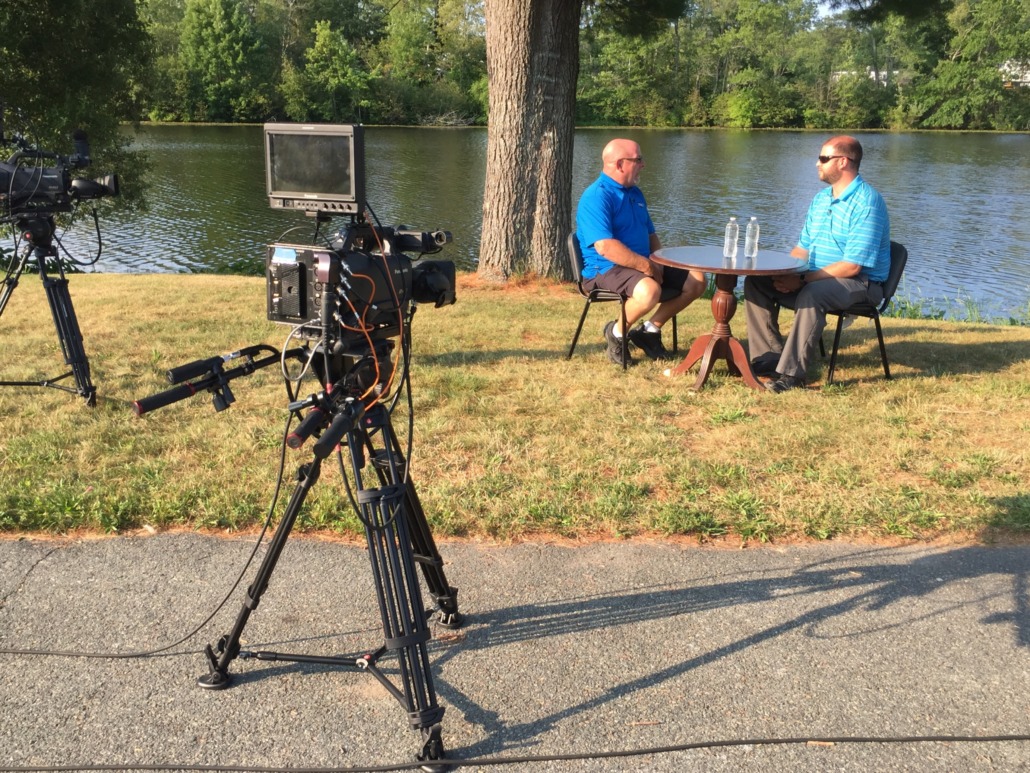
2009–2012 | Community production becomes increasingly mobile. WHCA developed its remote and field-production capabilities, including a production vehicle that allowed multi-camera television production to move beyond the South Avenue studio.
The organization’s technical footprint also increasingly extended into the communities themselves. Municipal meeting spaces and other locations became part of a growing production system supporting coverage of Select Board meetings, Town Meetings, school activities and community events.
By 2012, WHCA was actively planning improvements to production systems in both communities, including municipal meeting facilities, remote production, editing and playback technology, and the continuing transition toward digital and high-definition television.
A New Generation of Community Media
2014–2015 | Technology and cable services continue to evolve. WHCA continued its transition away from older tape-based production and toward digital workflows. Whitman and Hanson also entered the next generation of their cable-license relationships, with Whitman’s Comcast license renewed in 2014 and Hanson’s in 2015.
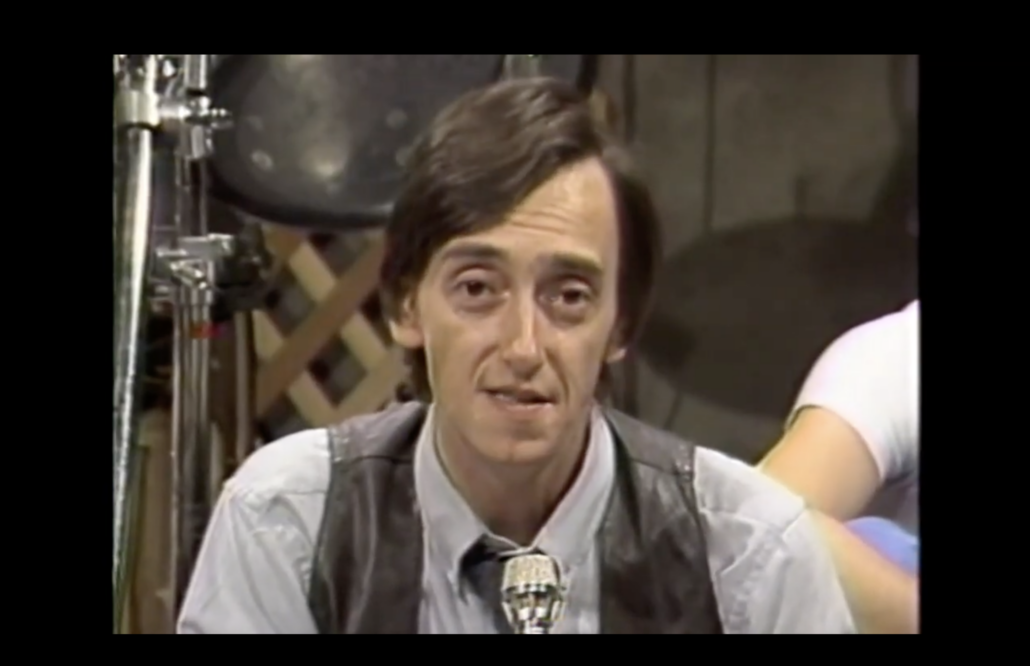
2016–2017 | Leadership transition and a new chapter. Longtime Executive Director Stephen Roy died unexpectedly in 2016. Roy had played a central role in the creation and development of WHCA, including the transition from the earlier cable-company access model to the independent regional organization established in 2005.
Eric Dresser became WHCA’s Executive Director in January 2017, beginning the organization’s next period of development.
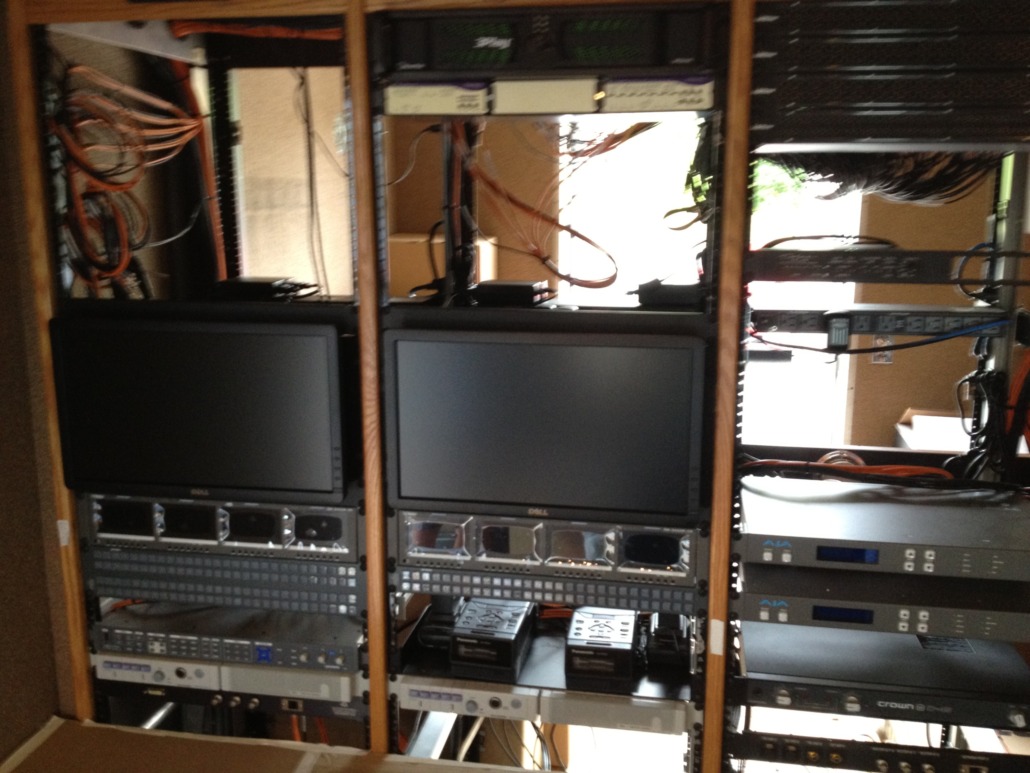
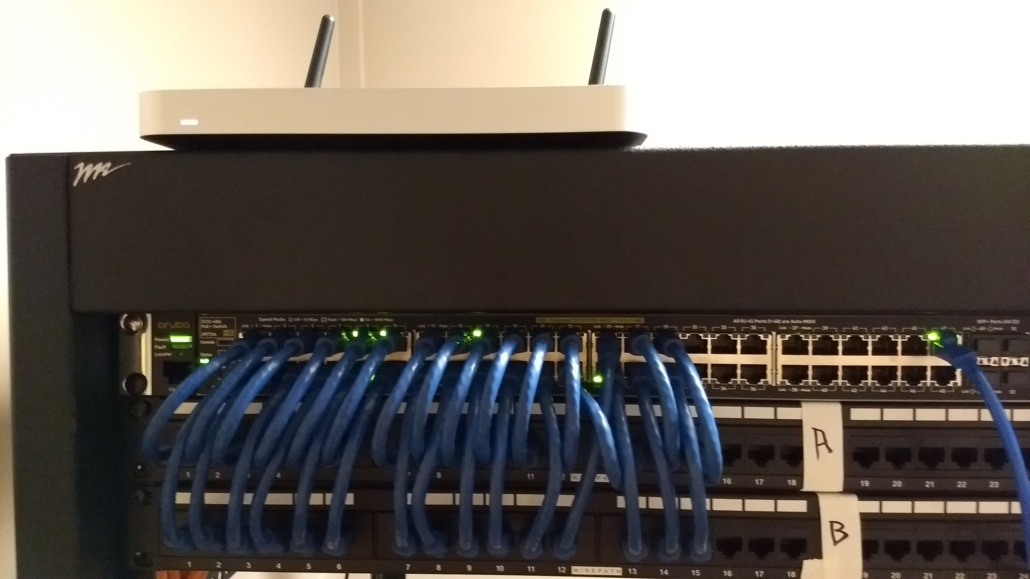
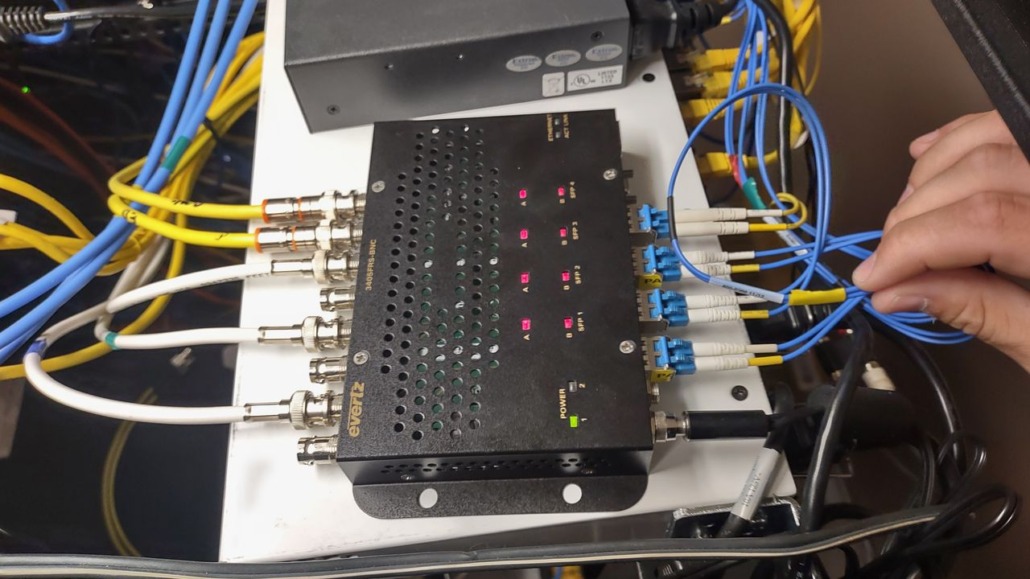
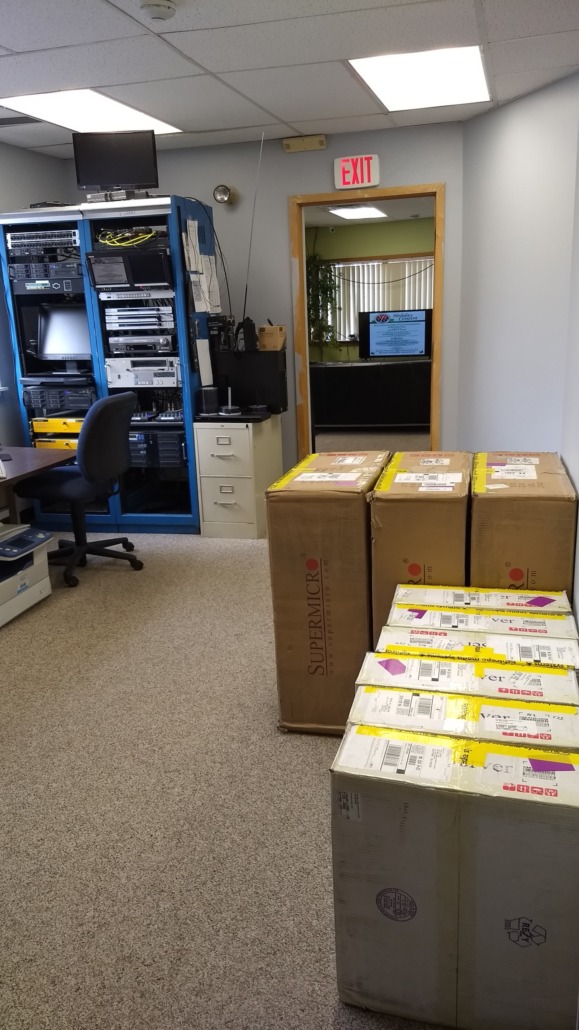
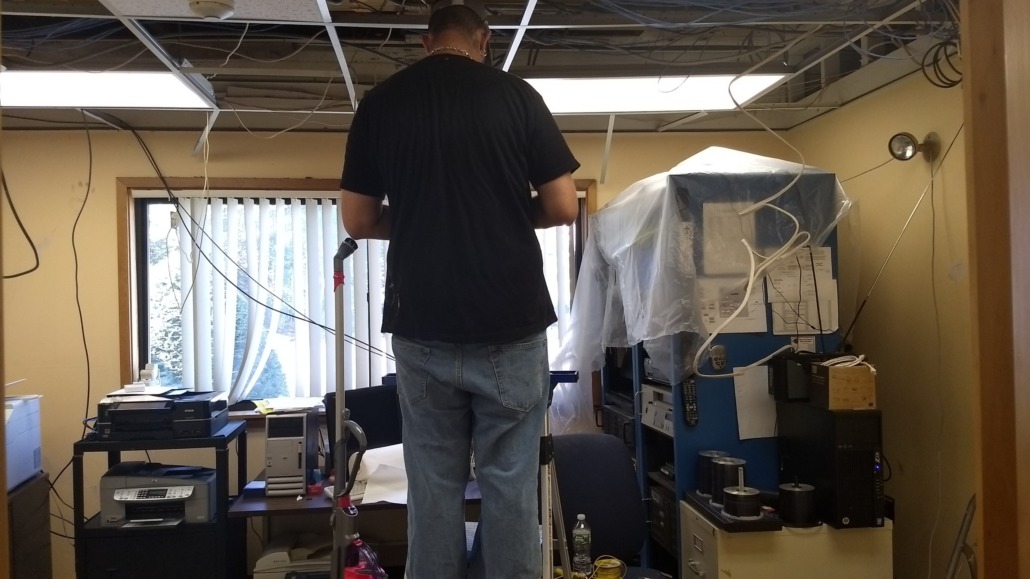
2017–2018 | WHCA’s technical core is modernized. A significant modernization of WHCA’s central technical infrastructure began during this period. WHCA’s office and studio data network was overhauled, technical systems were reorganized, and playback, transmission, security and networking equipment were consolidated into a renovated technical core.
The organization’s operating relationships with its municipal partners were also renewed, with Hanson approving a new agreement with WHCA in December 2017 and Whitman following in July 2018.
Expanding Educational and Regional Infrastructure
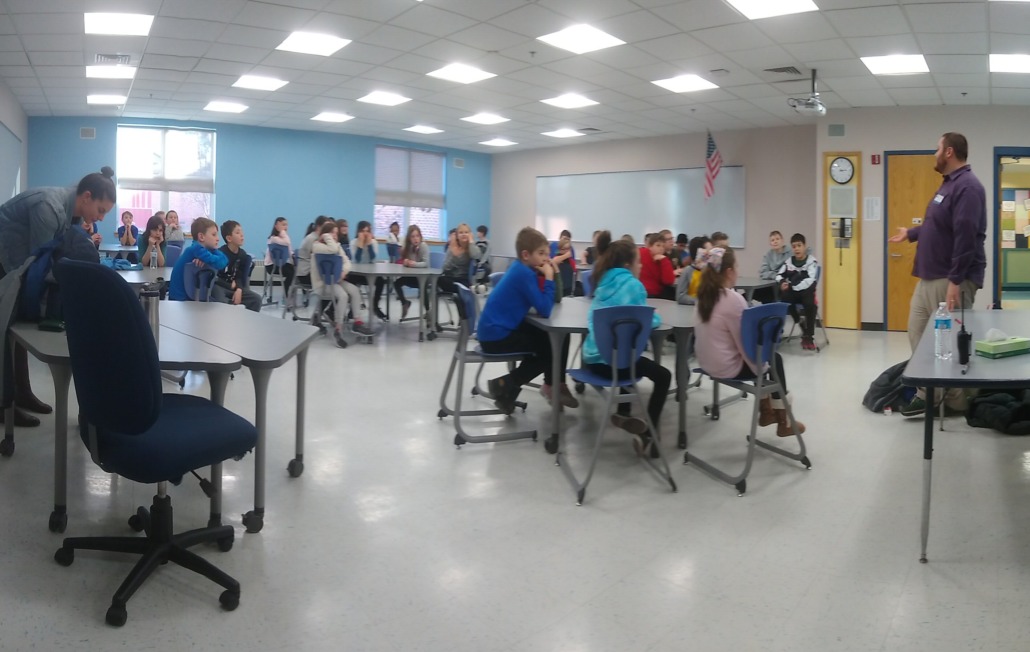
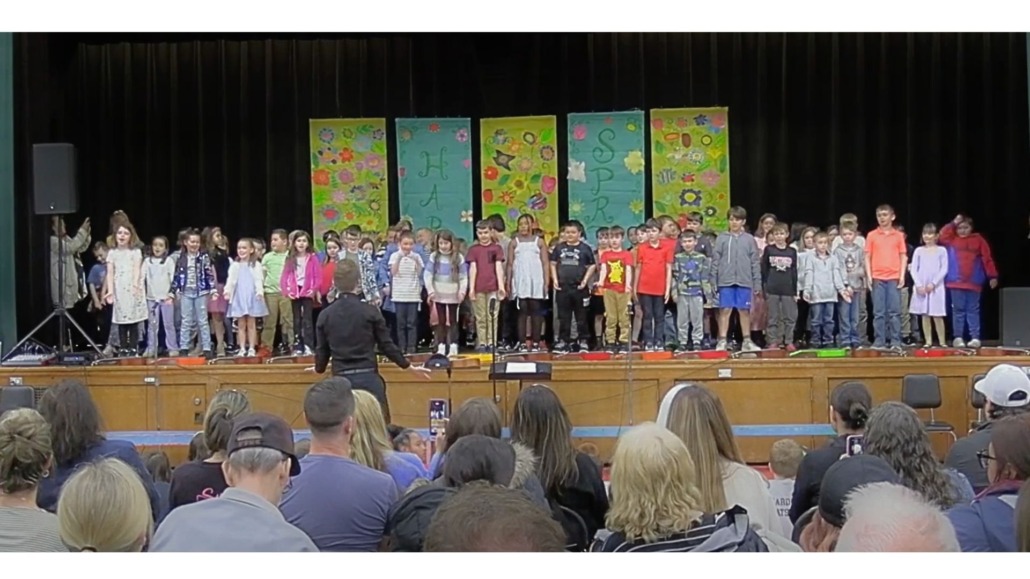
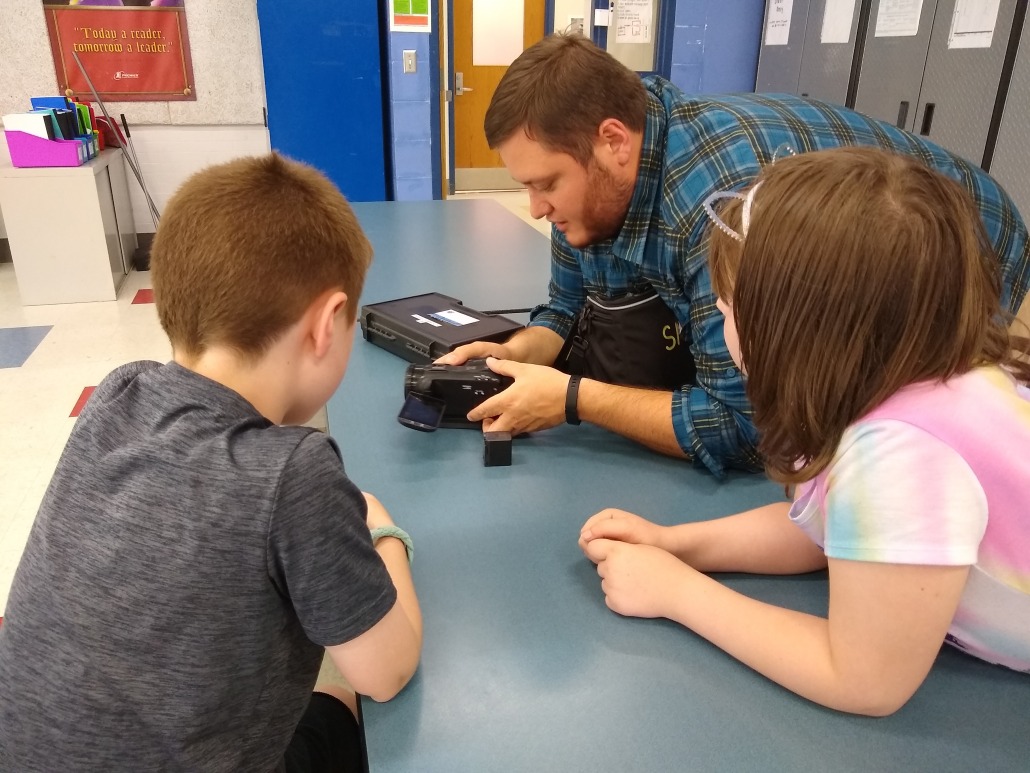
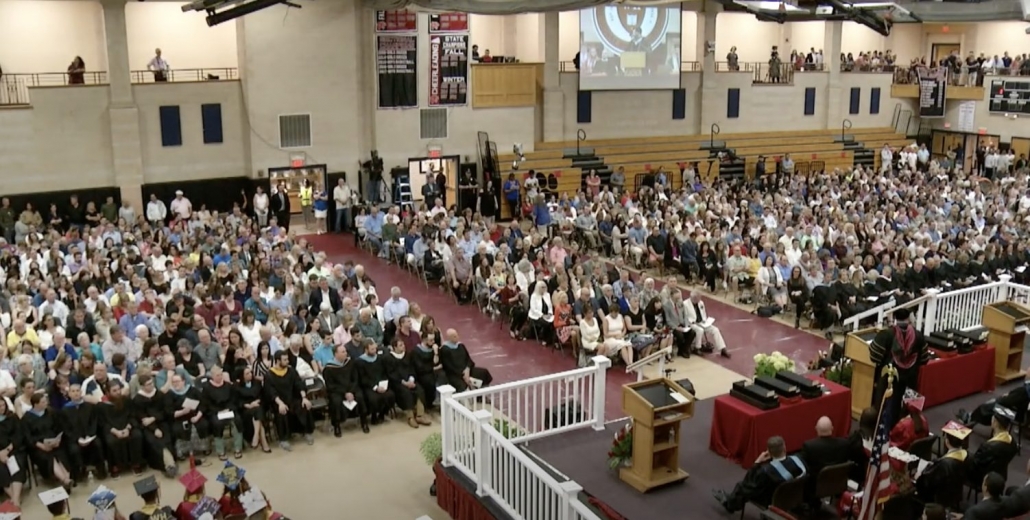
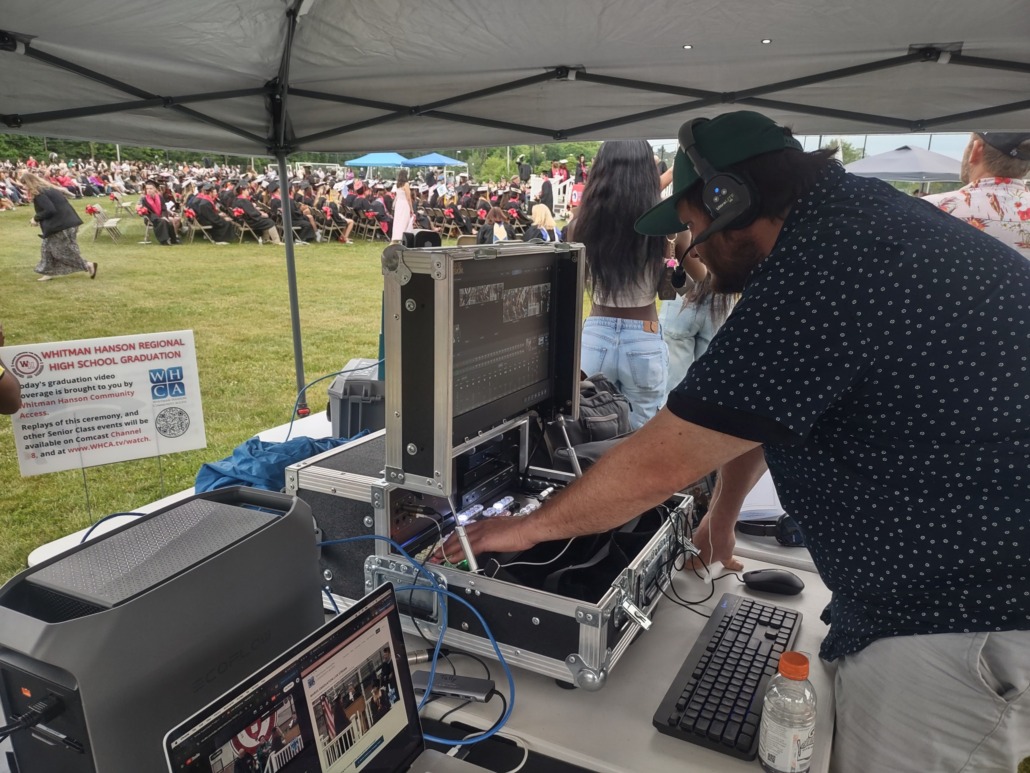
2018 | Educational Access becomes a larger part of WHCA’s mission. WHCA assumed management of the Whitman-Hanson Regional School District’s Educational Access channel and expanded its relationship with schools throughout the district. New field-production equipment helped schools capture assemblies, performances, athletics, graduation and other activities for the community.
WHCA also developed additional editing and production resources at its South Avenue facility, while continuing to build the technical systems connecting its headquarters with production environments throughout Whitman and Hanson.
2019 | Municipal production systems continue to improve. Production systems serving municipal meeting spaces were upgraded, strengthening WHCA’s ability to provide reliable coverage of local government in both communities.
By this point, WHCA’s operation increasingly resembled a regional hub-and-spoke system. The South Avenue facility served as the central production, technical, storage and distribution hub, while cameras, production systems and other infrastructure operated at municipal and school locations throughout Whitman and Hanson.

Adapting During COVID-19
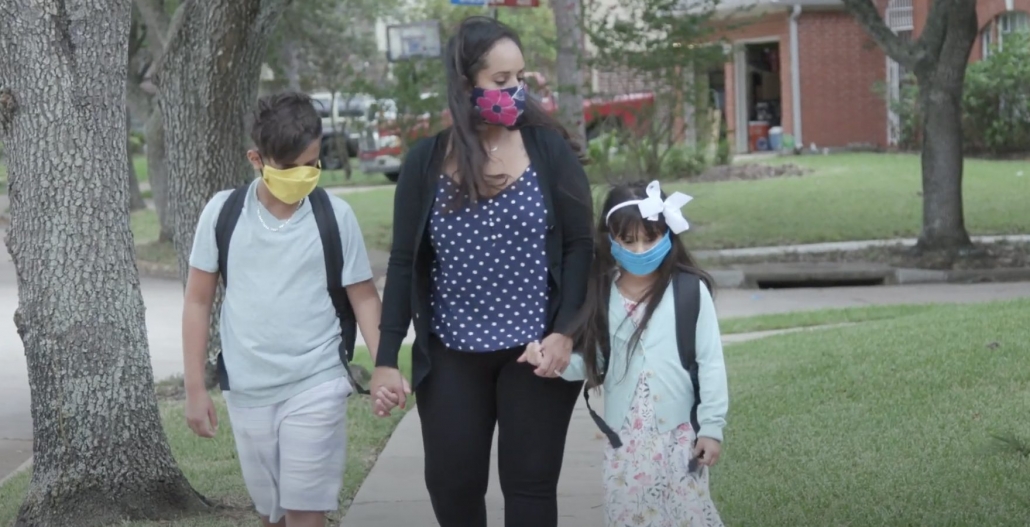
2020 | Community media changes almost overnight. The COVID-19 pandemic dramatically changed the ways local government, schools, community organizations and residents communicated.
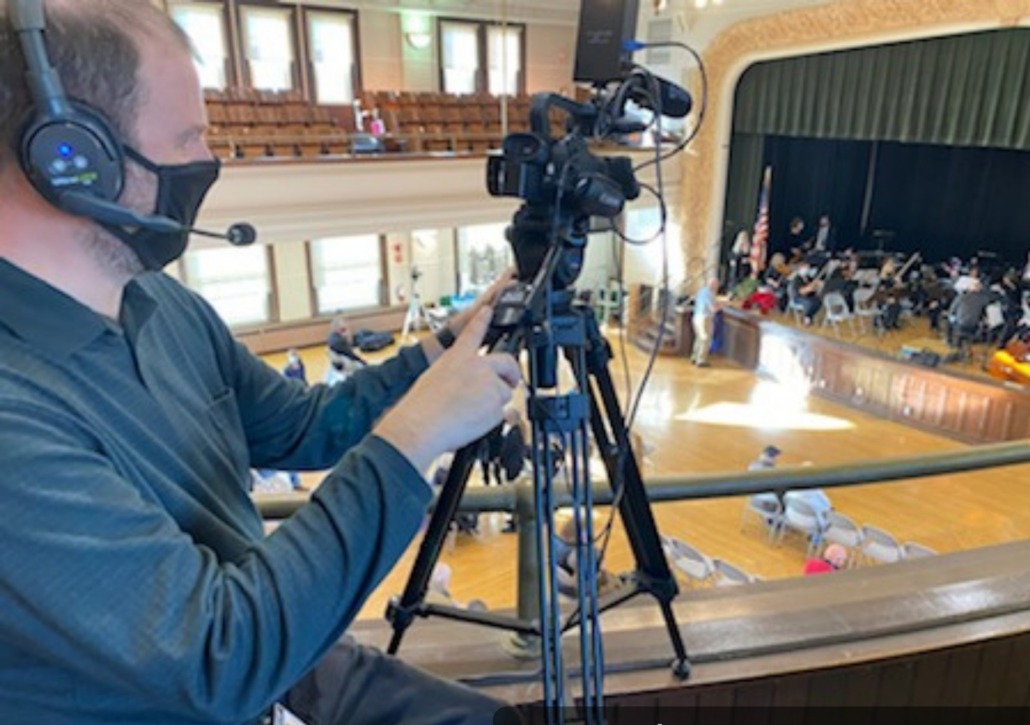
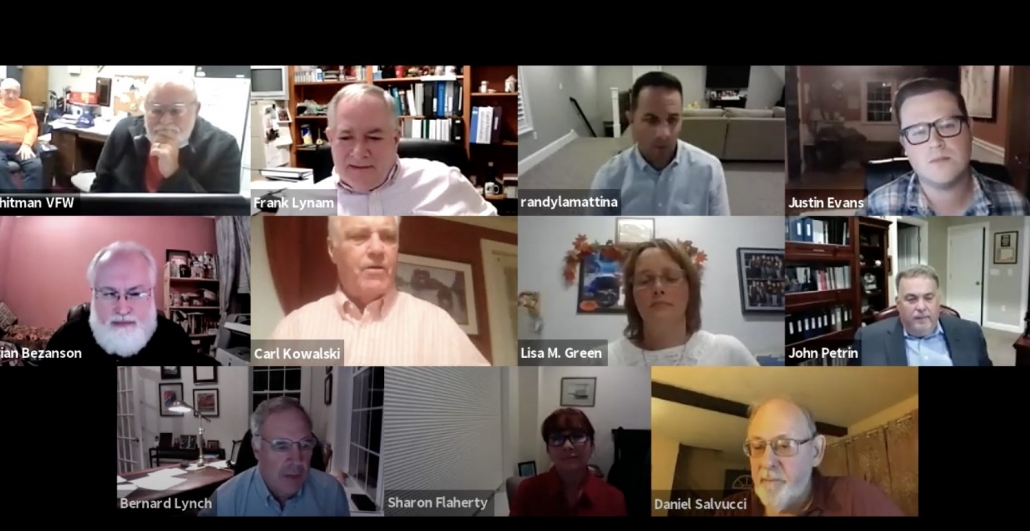
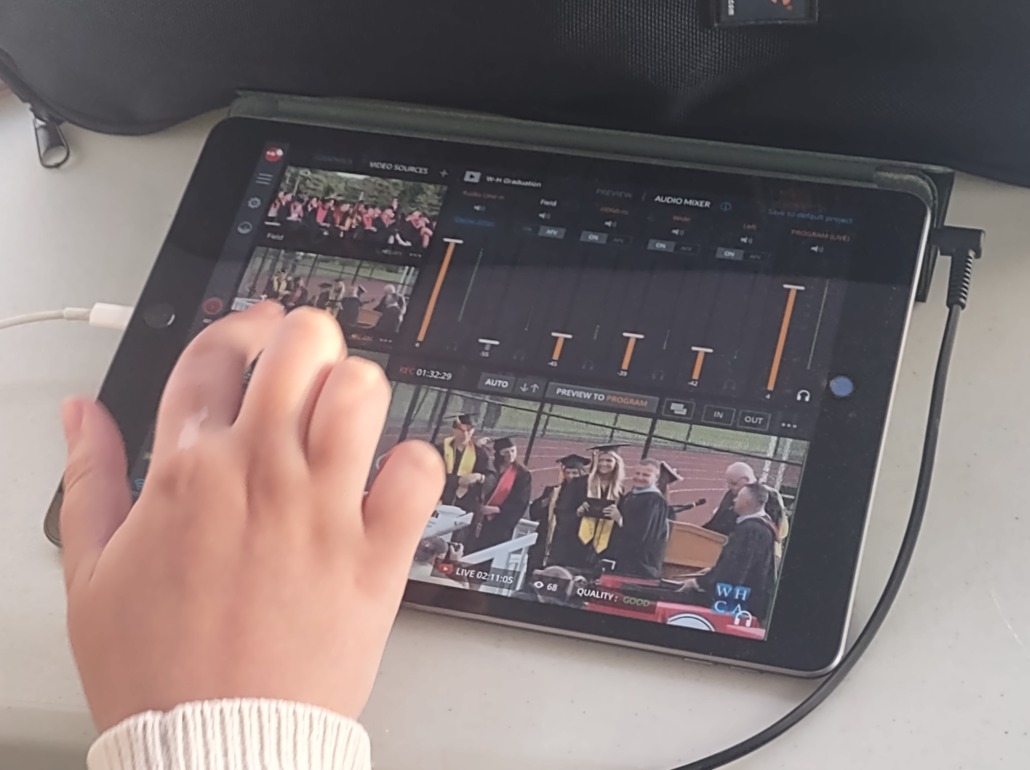
WHCA responded by developing virtual and remote meeting capabilities, deploying portable production and switching equipment, supporting municipal and civic meetings, producing public-service information, and creating online and cable resources for rapidly changing local, state and federal information.
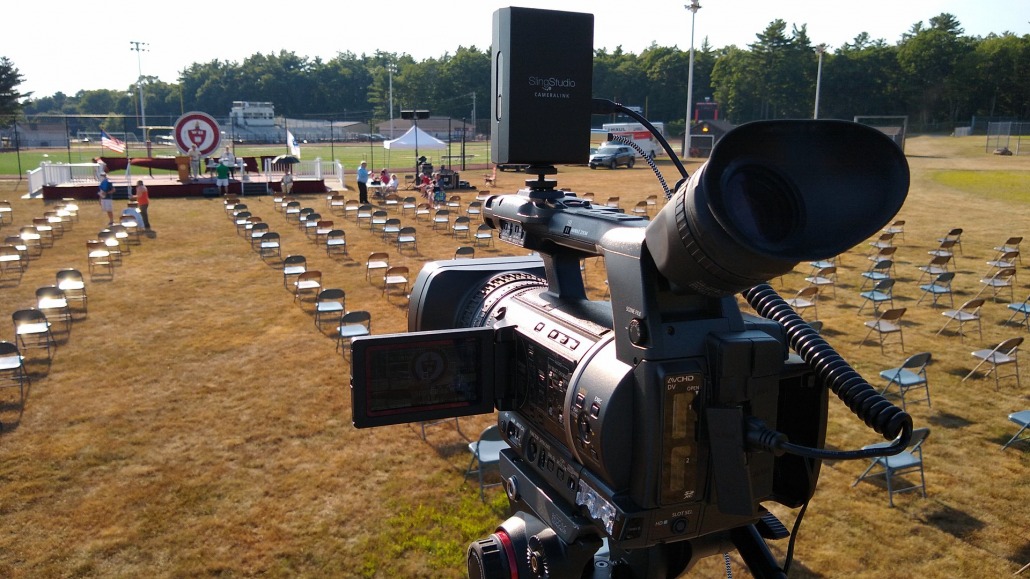
WHCA also supported large outdoor productions when traditional indoor gatherings were not possible, including Town Meetings and school events. Virtual production tools developed during this period subsequently became part of WHCA’s broader production capabilities.
The pandemic reinforced an evolving role for WHCA: not simply as a television station, but as a community information and communications resource capable of adapting technology to changing local needs.

Building the Modern WHCA
2021–2023 | New services and another major technical modernization. As communities emerged from the most disruptive period of the pandemic, WHCA continued developing new programming, production opportunities and ways for residents and organizations to participate in community media. Investment also continued in WHCA’s technical infrastructure, including networking, playback and distribution systems, editing resources, production spaces and regional connectivity
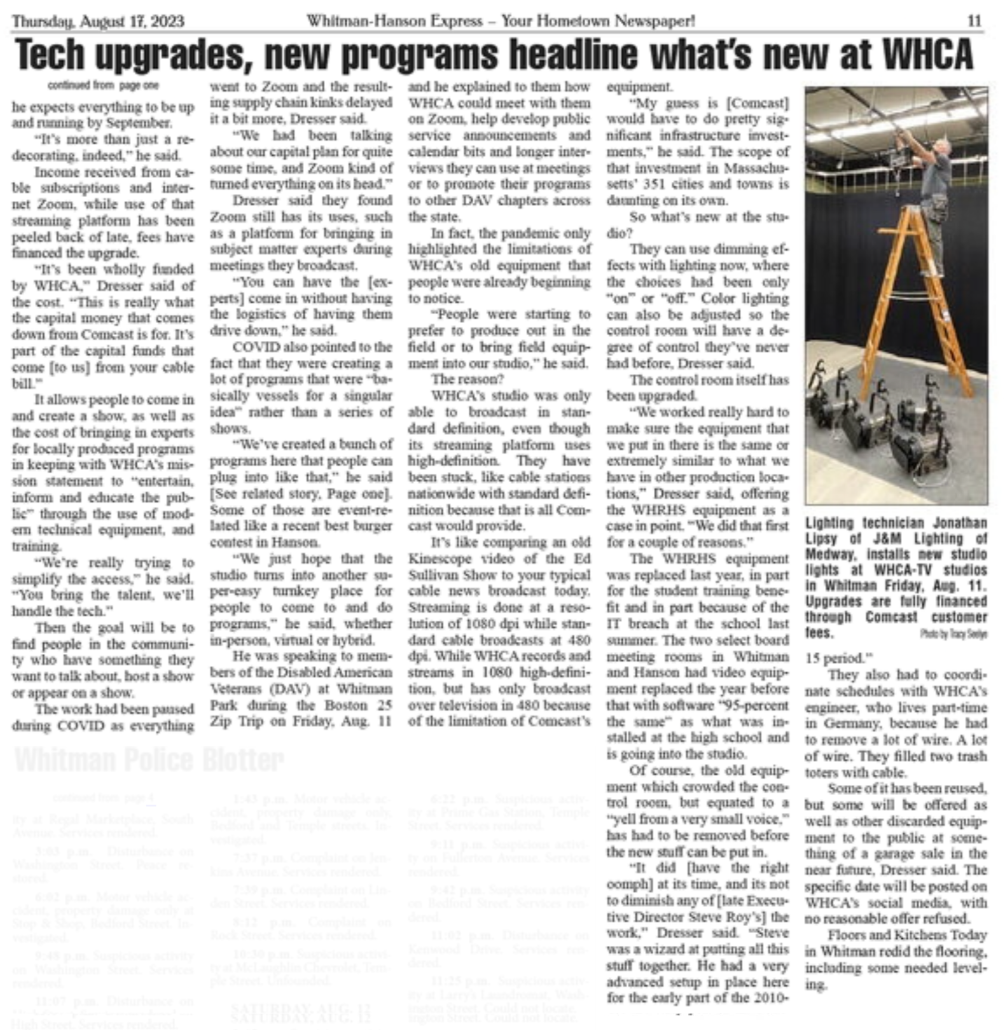
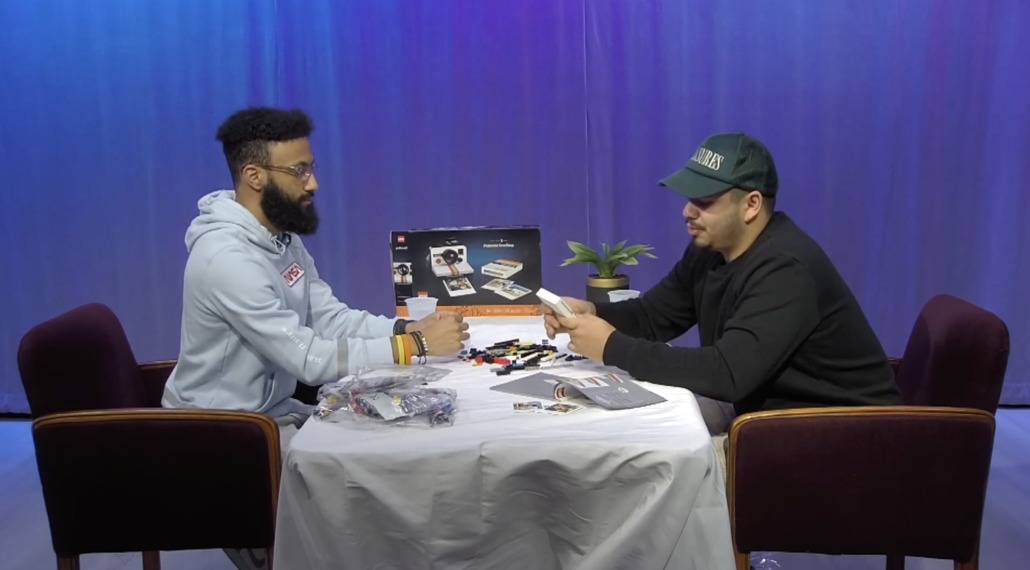
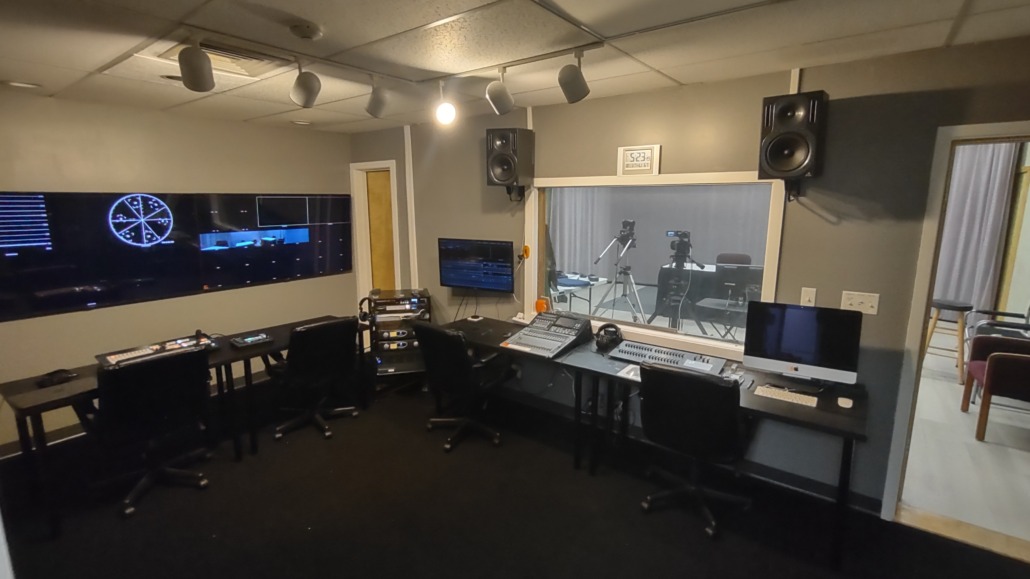
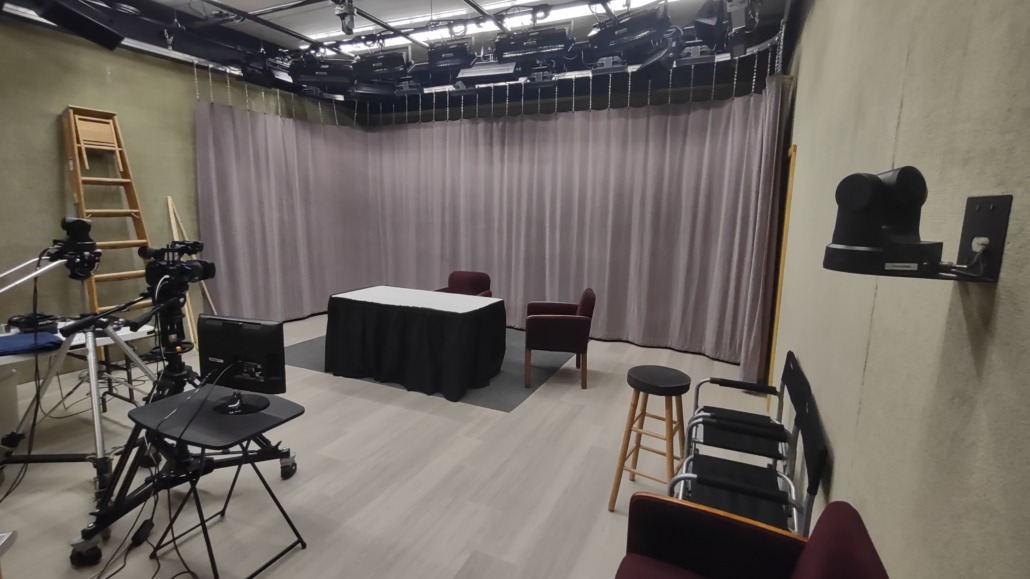
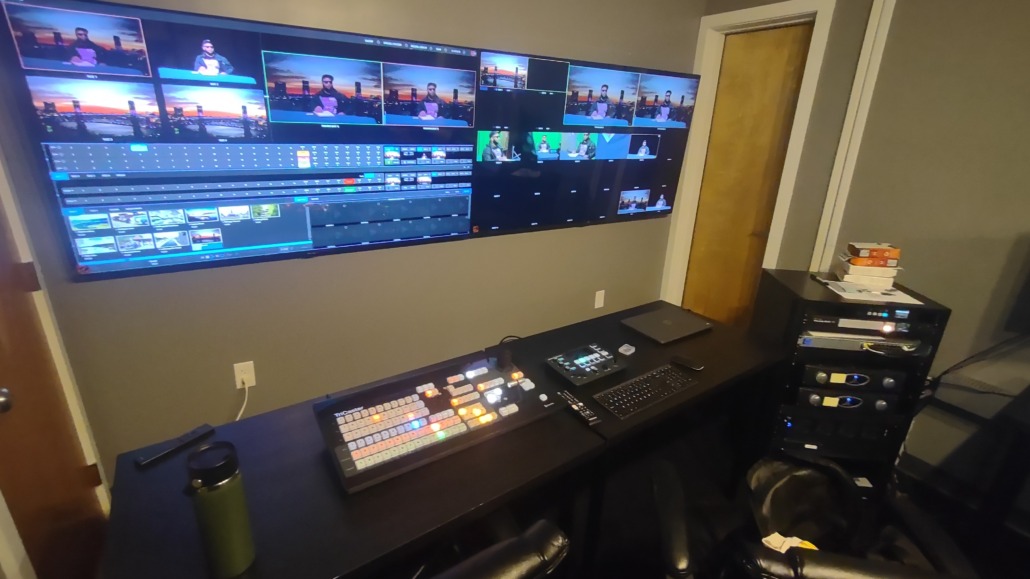
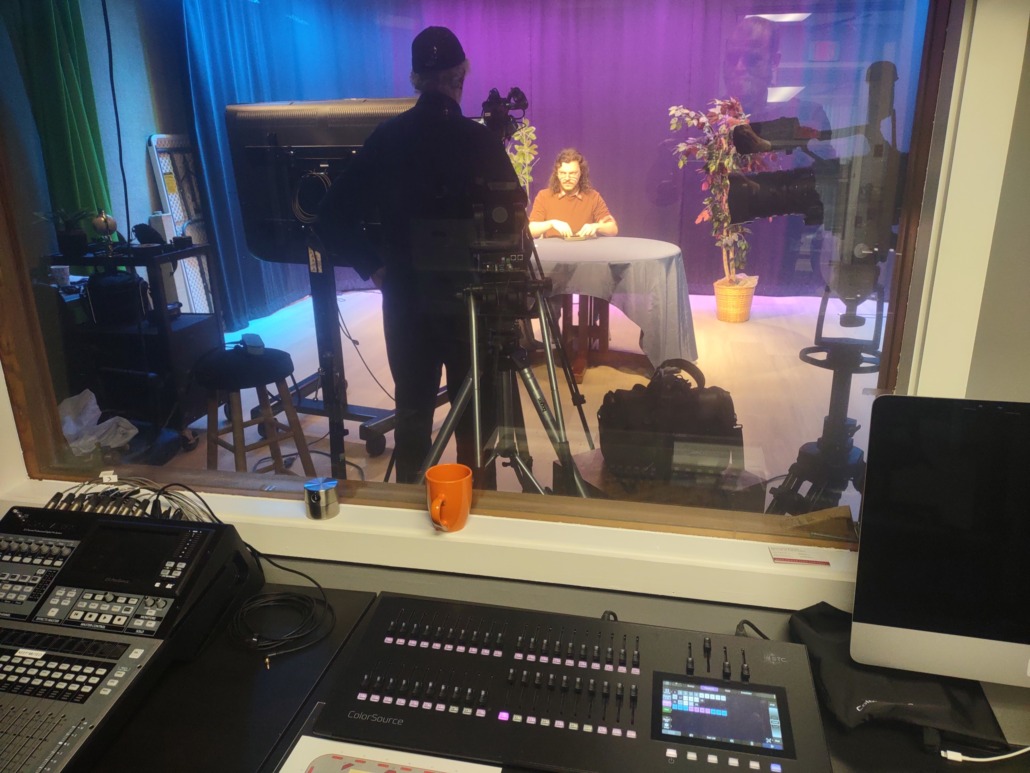
In 2023, WHCA completed a major overhaul of its studio and control-room systems, continuing the transition to modern high-definition production while also working to make the facility and its technology easier for community members to use.
Twenty Years of Community Media
2025 | WHCA celebrates 20 years. February 2025 marked twenty years since the formation of Whitman Hanson Community Access.
The anniversary provided an opportunity not simply to look back at changing cameras, studios and technology, but to hear from the people and organizations that have used WHCA along the way. Community members, municipal officials, educators, volunteers and local organizations shared stories about the role WHCA has played in documenting local life, providing access to information, teaching media skills and helping community voices reach their neighbors.
Over two decades, the technology of community media changed dramatically. WHCA evolved with it, from traditional cable television and videotape to digital production, internet video, remote meetings, social media and a growing collection of interconnected production systems.
What remained consistent was the underlying purpose: providing Whitman and Hanson with local resources through which people can communicate, learn, create and stay informed.

Testimonials from our community were collected in 2025 as part of our 20 year celebration.
Click above to have a look!
Stewardship of 115 South Avenue
Over two decades | Investing in WHCA’s institutional home. Alongside investments in cameras, studios, networking and production technology, WHCA has also made significant long-term improvements to the building at 115 South Avenue itself.
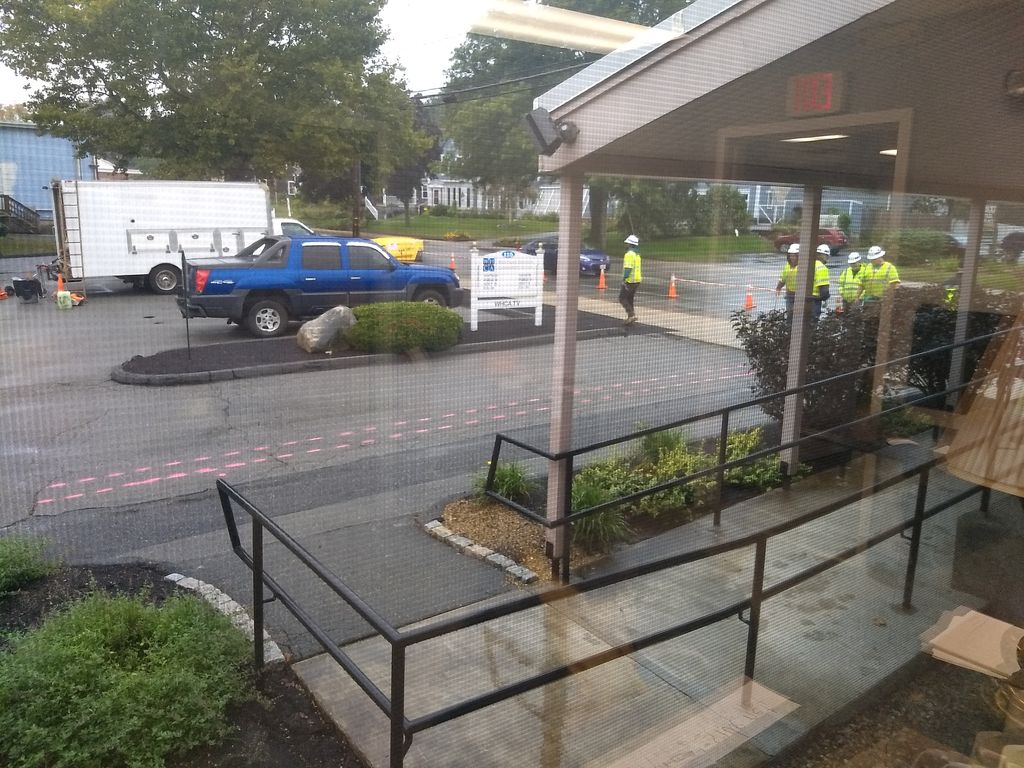
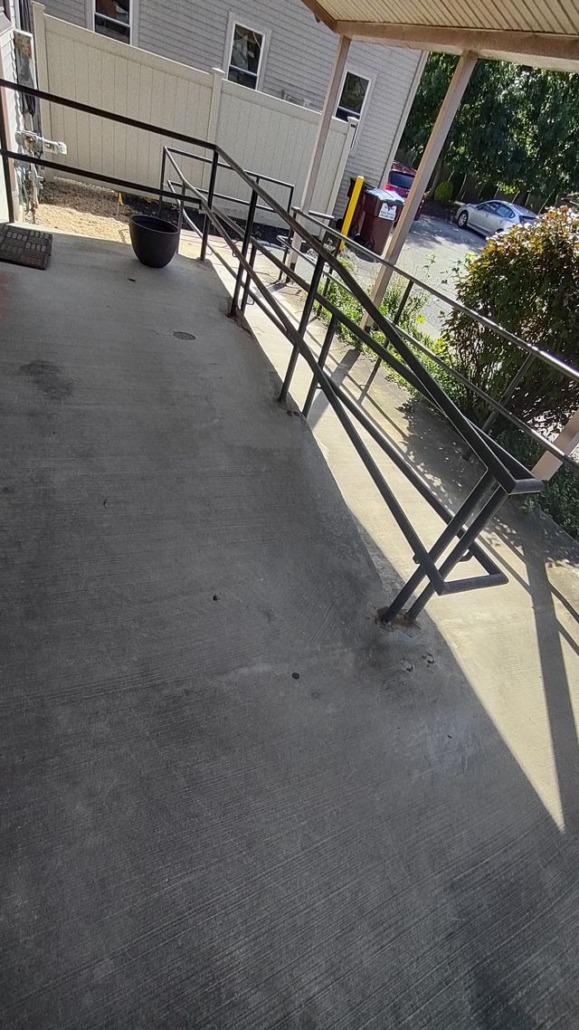
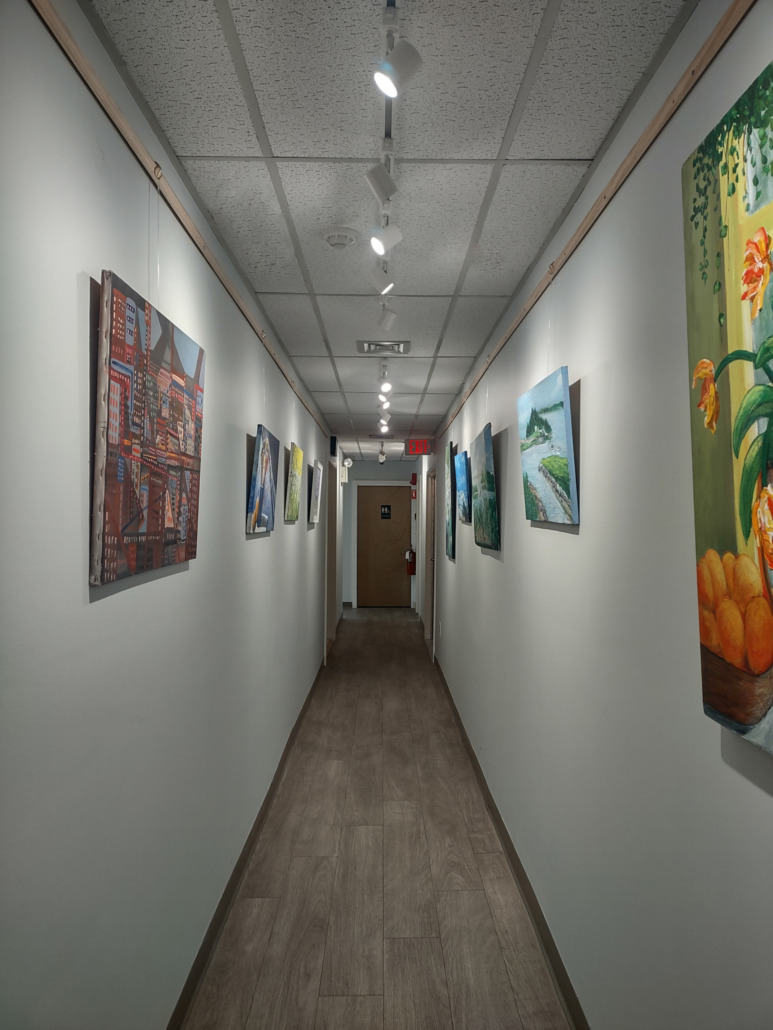
Over the years, that work has included major projects such as roof replacement, new windows, building-wide backup power through a permanent generator, heating and cooling improvements, replacement of aging ceiling systems, energy-efficient lighting, accessibility improvements, basement moisture management and other renovations intended to protect and improve the facility.
Many of these projects are not especially visible to viewers, but they reflect an important part of WHCA’s history. The South Avenue building has served as WHCA’s headquarters, studio, technical center, storage facility and community-media workspace since the organization’s creation. WHCA has therefore approached the facility not simply as a place from which to operate, but as a long-term community asset requiring ongoing care and investment.
That stewardship has helped preserve and modernize the physical foundation upon which WHCA’s broader regional media system operates.
WHCA Today
2026 | Continuing a regional partnership. Today, WHCA operates as an independent nonprofit community-media organization serving Whitman and Hanson. Its work encompasses Public, Educational and Government media, community and municipal meeting coverage, school and athletic programming, production facilities, portable and remote production, training, online media, community information and support for local organizations.
The South Avenue facility remains the hub of a much larger operating system. WHCA’s resources extend into Town Halls, schools and other locations throughout the two communities, while shared staff, production equipment, technical infrastructure and distribution systems support services across municipal boundaries.
That regional model has been part of WHCA’s identity since its formation. What began as a partnership to preserve and locally manage community access has developed into a shared media and communications resource serving two towns and their regional school system.
WHCA continues to modernize that system as technology and community needs change.
Preserving Our History
More than twenty years of WHCA history, and the local-access history that preceded it, cannot be captured completely on a single webpage. WHCA continues to review historical records, photographs, meeting minutes, planning documents and other archival materials so that this history can be documented more fully.
This page will continue to evolve as that work proceeds.
Have a piece of WHCA history to share? Former volunteers, Board members, staff, producers and community partners are part of this story too. Historical photographs, recordings, documents and recollections can help preserve the history of community media in Whitman and Hanson for the future.